Introduction
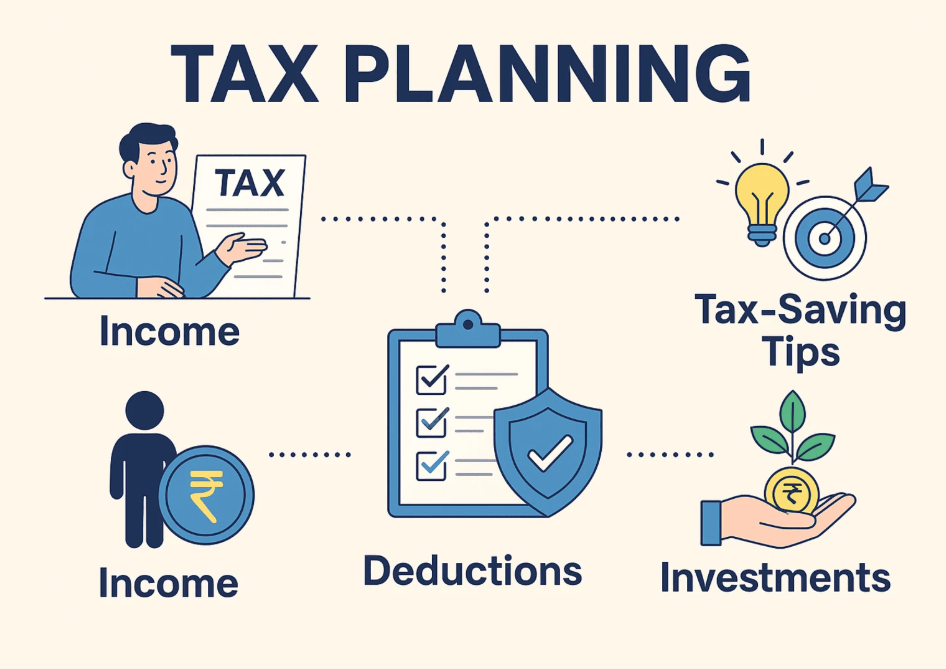
Tax planning is not just about saving money at the end of the financial year — it’s about building a smart strategy that aligns with your financial goals. With the right planning, you can legally reduce your tax burden and free up more funds for investments, insurance, and long-term wealth creation.
Why Tax Planning Matters
- Avoid Last-Minute Rush: Many people start thinking about taxes only in March. A proactive approach ensures you don’t make hasty decisions.
- Maximize Benefits: The Income Tax Act offers several deductions and exemptions. With the right mix of instruments, you can save significantly.
- Achieve Financial Goals: Tax-saving investments can double up as wealth creators if chosen wisely (e.g., ELSS funds, NPS).
Common Tax-Saving Options (India)
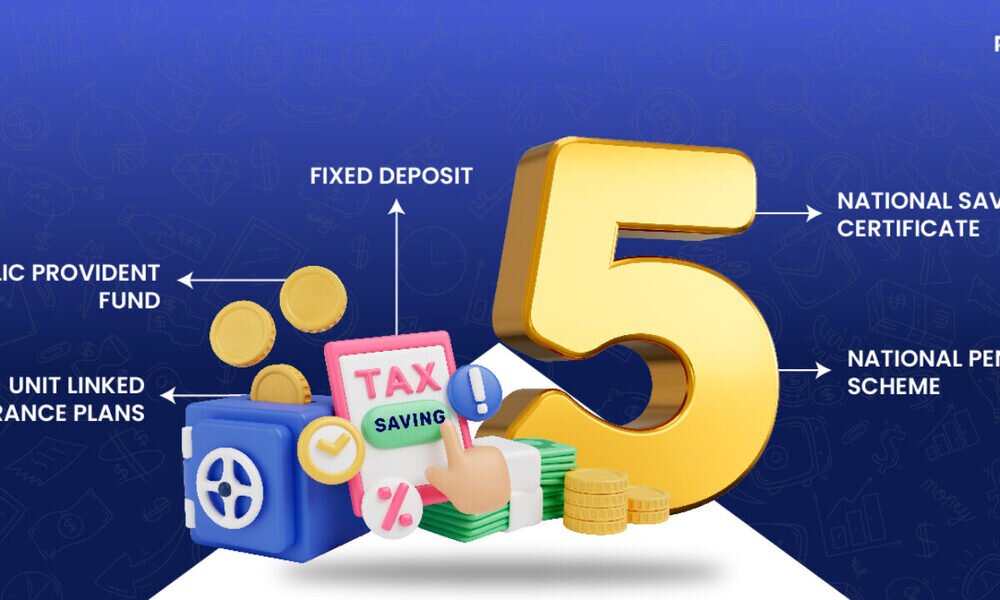
- Section 80C Deductions (₹1.5 lakh limit)
- Equity Linked Savings Scheme (ELSS)
- Public Provident Fund (PPF)
- Life Insurance Premiums
- Employee Provident Fund (EPF)
- Health Insurance (Section 80D)
- Up to ₹25,000 deduction (₹50,000 for senior citizens).
- National Pension Scheme (NPS)
- Extra ₹50,000 deduction under Section 80CCD(1B).
- Home Loan Benefits
- Deduction on principal repayment (80C) and interest (Section 24).
Pro Tips for Smarter Tax Planning
- Don’t invest just for tax saving — ensure the product aligns with your risk profile and goals.
- Spread investments across equity, debt, and insurance for balance.
- Start at the beginning of the financial year to avoid cash flow stress later.
- Consult a professional advisor to structure your plan efficiently.
Conclusion
Tax planning is more than a compliance exercise — it’s an opportunity to grow wealth systematically. By planning early and choosing the right instruments, you not only reduce your tax outgo but also strengthen your financial foundation.